On the eve of India’s three-match T20I series against Zimbabwe in Harare, captain Shreyas Iyer told his side to play without the fear of failure after successive series defeats in Ireland and England.
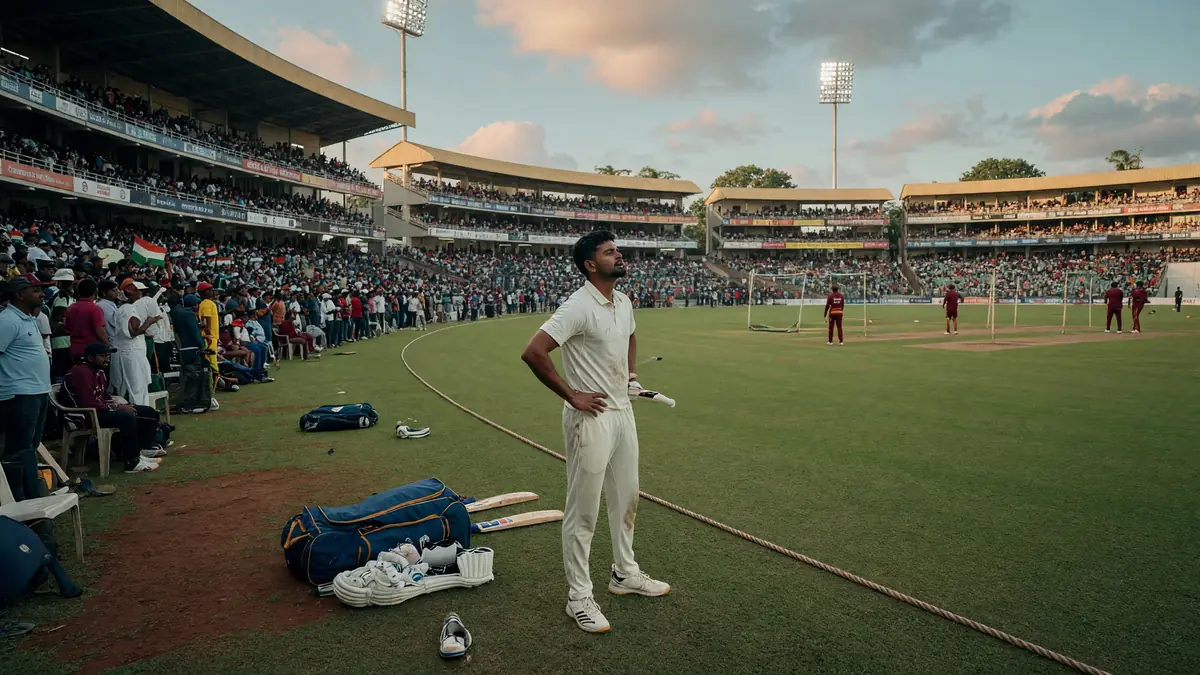
Shreyas Iyer spoke on the eve of the opening T20I of a three-match series against Zimbabwe in Harare. His central message was direct: India should play without the fear of failure. He linked that fear to a habit of self-preservation, arguing that players who carry it end up trying only to save themselves rather than getting the best out of their games.
The comments arrived after successive T20I series defeats in Ireland and England. Those results have increased scrutiny of combinations and the side’s direction under a captain who is still searching for a first win in the format after seven matches in charge. Iyer did not present the Zimbabwe assignment as a public relations reset. He framed it as a chance to stay present and play freer cricket together.
He had only just joined the camp. Iyer said he arrived the previous day from England and had managed only a brief chat with the coach about the wicket and possible combinations. Fuller clarity, he indicated, would follow later that evening. The limited window is part of the tour story: India have moved from Ireland to England and now Zimbabwe in quick succession, with little room for a long acclimatisation block before the first toss in Harare.
Iyer described England as a rough patch. He also refused to treat it as empty ground. The tour, he said, produced positives around presence of mind, awareness and adaptability once the team stepped onto the field. Those were the traits he wanted the group to keep working on rather than a longer list of technical fixes delivered in a media conference.
That reading matters because the calendar still gives India time. The next T20 World Cup is still two years away. Iyer told the squad not to fixate on outside talk about whether a series went well or poorly. Stay in the present, play good cricket as a unit, and let individual performances grow from that collective work. The World Cup horizon was used as context, not as a promise of delayed accountability.
Analysis: the captain is treating mindset and match awareness as the first public priority before XI details are locked. That order matches his late arrival and the short coach conversation he described. It does not, on its own, settle batting order or bowling roles for Thursday night.
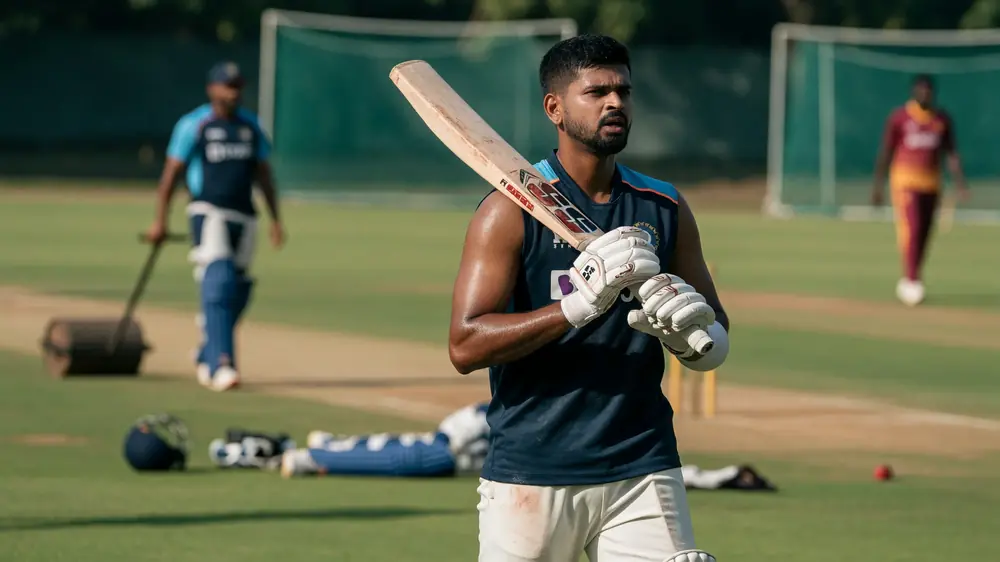
India’s batting unit is largely the same group that toured Ireland and England. Sanju Samson is the notable absentee. Continuity means roles have already been shared across two overseas stops. It also means the dressing room cannot lean on a wave of fresh faces to change the conversation after the recent defeats.
Harare has recent leadership history for Indian white-ball cricket. Two years earlier, Shubman Gill led India in Zimbabwe. Gill has since moved out of the T20I setup. Captaincy later passed from Suryakumar Yadav to Iyer. The chain is short in calendar time and leaves Iyer still looking for a first win after seven matches as T20I captain entering this series.
Iyer also spoke about his own recent path. He said injury setbacks had left him more confident as an individual and mentally more positive after working on strengths and weaknesses. Crossing that barrier, he argued, put him in a stronger space of mind — and that, in his view, ultimately helps the team. The remark sat beside the team brief rather than replacing it.
Iyer declined any suggestion that Zimbabwe would be a formality. He said Zimbabwe have an amazing team and that a couple of their players have featured in the IPL, so they carry immense experience. Every side, he noted, plays to win — and that is why India are in Harare.
Some India players are appearing in Zimbabwe for the first time. Iyer tied results to the speed of adaptation. The quicker the group adjusts, he said, the better the outcomes after a recent reality check. Creating awareness early on arrival, then executing, was the sequence he described for tourists still learning the surfaces and conditions.
That combination — respect for home experience and a push for faster adaptation — is the cleanest tactical line he offered in public. He did not publish a confirmed first XI during the eve-of-series remarks. Combinations remained part of the short coach discussion he had already flagged.
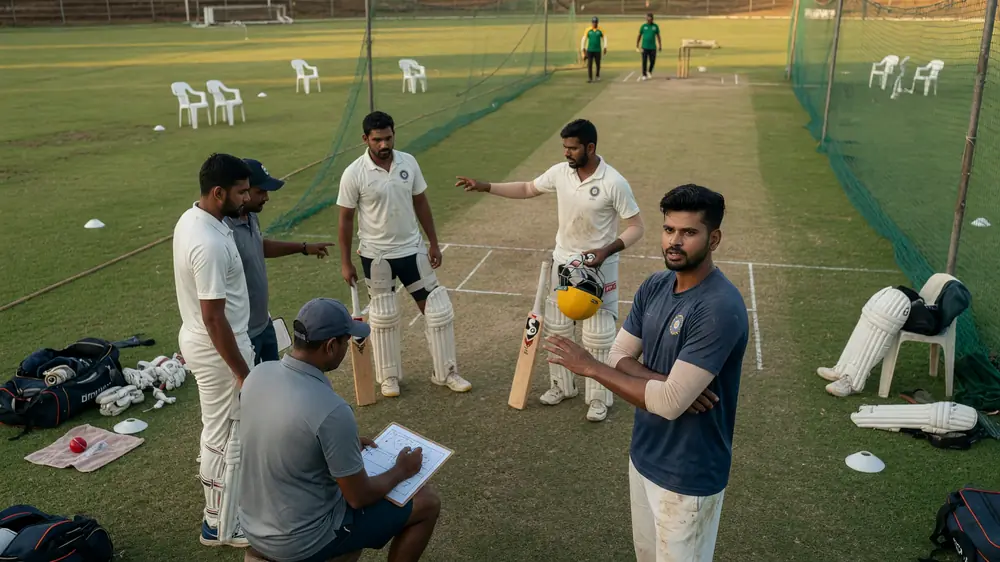
The tour also opens lower-pressure opportunities for younger players after a difficult England stretch. Vaibhav Sooryavanshi, whose international introduction in England was hard, has a chance to reset under VVS Laxman’s guidance. A quieter assignment will not rewrite that debut stretch by itself, but it gives him match time away from the same volume of external noise.
There is also anticipation around emerging fast bowlers Mayank Yadav and Ashok Sharma. Pace depth has been a recurring talking point whenever India rotate the white-ball attack. The Zimbabwe series will not settle long-term selection on its own, yet clean spells here would give the captain and coaches clearer evidence after the previous two legs.
Those subplots sit under the main competitive fact of the series: India need a first T20I win under Iyer, and Zimbabwe will try to prevent it across three matches in Harare. A short series leaves little room for a slow start.
Iyer found value in the compressed itinerary even while results went against India. Moving from Ireland to England and then Zimbabwe, he said, has been rare exposure and has brought the team closer despite the poor outcomes. There have been many discussions about how the side will play as a unit. The faster the group climbs out of the hard phase, he added, the better it becomes.
That line does not erase the scoreboard from Ireland and England. It does explain why the captain’s public order of priorities began with fear of failure and shared work rather than a detailed field map. Fans who only track win-loss will judge Thursday on the result. Players who have lived the airports heard a brief about presence, awareness and staying in the present while the World Cup remains two years away.
For readers following India’s white-ball calendar, match notes and related desk updates stay in the running cricket news coverage as the Harare series unfolds. The practical checklist before the opener is simple: confirm the XI when it is named, note who shares the new ball, and measure Iyer’s fearless brief against what the side actually attempts once the match is live.
The first of three T20Is is scheduled for Thursday in Harare. Iyer’s eve-of-series comments set a clear public tone: drop the fear of failure, respect Zimbabwe’s experienced core, adapt quickly, and stay focused on the cricket in front of the group rather than outside series verdicts. Combinations were still being finalised after his late arrival from England. The series itself will decide whether the first win of his T20I captaincy arrives in Zimbabwe.
The three-match T20I series opens on Thursday in Harare. Iyer spoke on the eve of the first game after arriving from England the previous day.
He told players not to carry fear of failure. In his view, that fear makes cricketers play only to protect themselves, while dropping it helps them get more out of their games.
India arrive after successive T20I series defeats in Ireland and England. Those results have sharpened debate over combinations and direction under a captain still without a T20I win after seven matches.
Not yet. Entering the Zimbabwe series he was still searching for a first win after seven matches in charge.
Vaibhav Sooryavanshi has a chance to reset after a difficult international introduction in England, working with VVS Laxman. There is also anticipation around fast bowlers Mayank Yadav and Ashok Sharma.
No. India’s batting unit is largely unchanged from the Ireland and England tours, with Samson the notable absentee.
Series notes, XI watches and match-morning reads from the CricGram news desk as India play through the Zimbabwe T20Is.
